November 22, 2026
Air ducts play an essential role in maintaining comfortable indoor temperatures by distributing conditioned air throughout a home. However, leaks in the ductwork can allow cooled air to escape before it reaches its intended destination, reducing system efficiency and increasing energy costs. Because many ducts are concealed behind walls, above ceilings, or inside crawl spaces, identifying these problems often requires professional testing and inspection. An experienced AC company uses specialized techniques to locate hidden leaks, evaluate airflow, and determine the most effective repairs.
Recognizing the Signs of Hidden Duct Leaks
Duct leaks are not always immediately noticeable, especially when the damaged sections are located in inaccessible areas. However, several changes in a home's cooling performance can indicate that conditioned air is escaping through gaps or damaged connections.
One common warning sign is uneven cooling. If certain rooms remain warmer than others despite the air conditioner running regularly, leaking ductwork may be preventing adequate airflow from reaching those spaces. Homeowners might also notice that the system runs longer than usual or struggles to maintain the thermostat setting.
Other indicators include:
- Unexpected increases in monthly energy bills without significant changes in usage
- Excessive dust accumulating around vents or throughout the home
- Weak airflow from certain supply registers
- Unusual noises coming from walls, ceilings, or ductwork
- Temperature differences between rooms and hallways
Although these symptoms can have several possible causes, a professional AC company can evaluate the entire cooling system to determine whether leaking ducts contribute to the problem.
Inspecting Accessible Ductwork and Connections
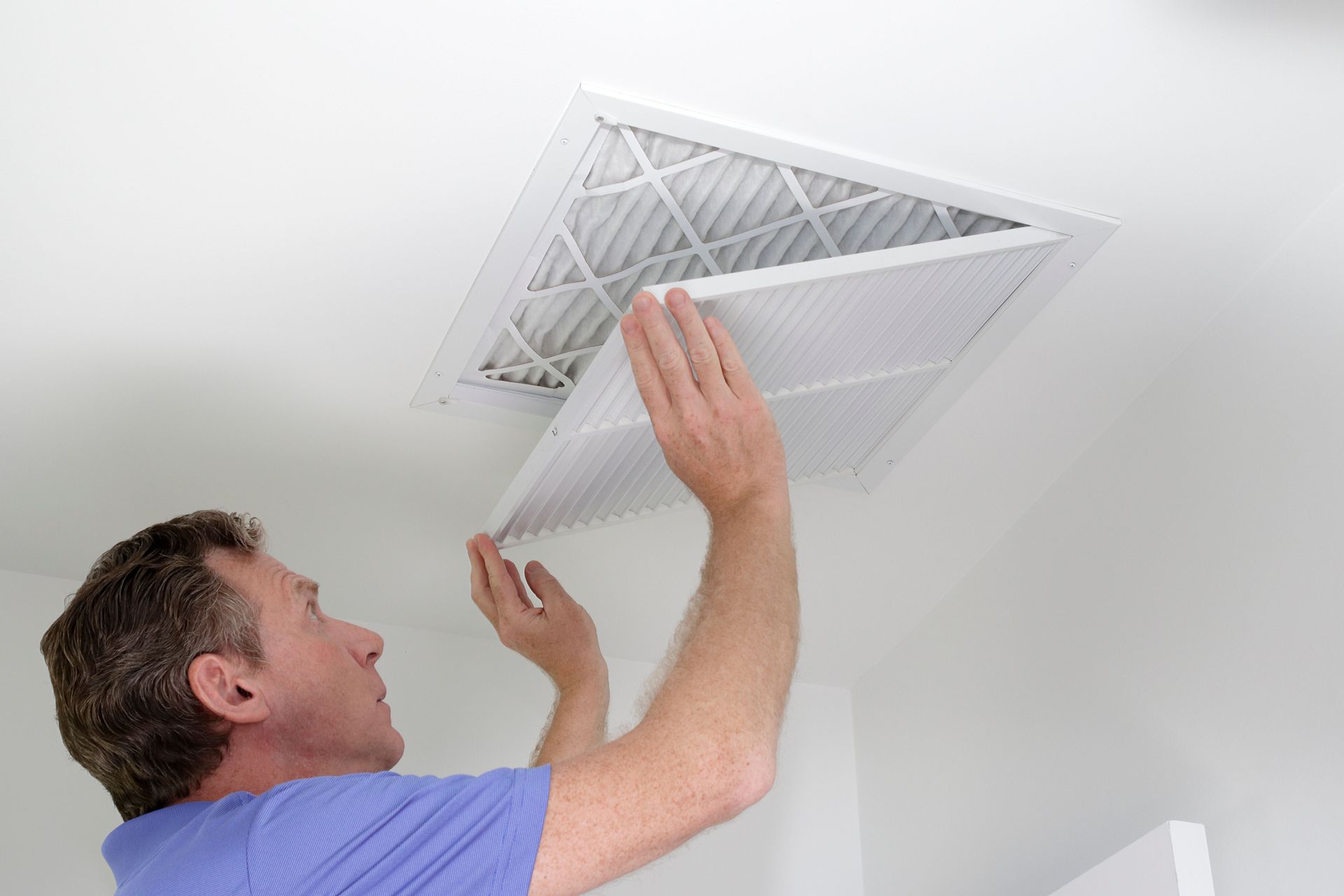
A visual inspection is often the first step in identifying potential air leaks. Technicians examine accessible duct sections for visible damage, deteriorating insulation, loose connections, and improperly sealed joints. These problems frequently develop where duct sections connect, branch off, or attach to supply registers.
An AC company also checks areas where ductwork passes through walls, ceilings, and floors. Small openings around these connections can allow conditioned air to escape into unconditioned spaces. Over time, ordinary wear, vibration, and temperature changes can weaken duct connections and contribute to additional leakage.
During the inspection, technicians may look for:
- Loose or disconnected duct sections
- Cracks, holes, and deteriorating duct materials
- Gaps around joints and connection points
- Damaged or missing duct insulation
- Improperly supported ductwork that has shifted out of position
Visual inspections help technicians identify obvious problems, but they cannot always reveal leaks hidden behind finished surfaces. Additional diagnostic methods may be necessary to evaluate the system more thoroughly.
Measuring Airflow and System Performance
Airflow measurements help technicians understand whether an air conditioning system distributes conditioned air properly. When ducts develop leaks, some of the air produced by the equipment may escape before reaching the intended rooms. This can create pressure differences and reduce the amount of conditioned air delivered through individual registers.
Technicians can use airflow measurement instruments to evaluate how much air moves through supply and return vents. They may also compare temperatures between the air entering and leaving the cooling equipment to assess overall system performance.
An experienced AC company considers these measurements alongside the home's layout, duct configuration, and cooling requirements. For example, a room receiving noticeably less airflow than similar spaces may have a restriction, disconnected duct section, or leak somewhere along its supply line.
Measuring airflow also helps technicians distinguish duct problems from other issues, such as dirty filters, equipment malfunctions, or improperly adjusted registers. This prevents unnecessary repairs and helps ensure the actual source of the problem receives attention.
Using Specialized Equipment to Locate Leaks
Some duct leaks are too small or too concealed to identify through visual inspections alone. Professional technicians can use specialized diagnostic equipment to detect these problems more accurately.
One method involves duct leakage testing, which evaluates how much air escapes from the duct system under controlled conditions. A technician may temporarily seal the registers and returns before connecting a calibrated fan and pressure-measuring equipment. The test creates a controlled pressure difference, allowing the technician to measure leakage throughout the system.
Other diagnostic approaches include:
- Smoke testing: Technicians introduce a controlled stream of visible smoke into selected duct sections. Smoke escaping through openings can reveal gaps, loose connections, and damaged areas.
- Pressure testing: Specialized instruments measure pressure differences within the duct system, helping identify conditions that may indicate leakage or airflow restrictions.
- Temperature measurements: Technicians compare temperatures across different areas to identify unusual cooling losses that may indicate duct problems.
The appropriate testing method depends on the duct system's configuration, accessibility, and suspected damage. By combining diagnostic results with physical inspections, an AC company can narrow down the location of hidden leaks and recommend targeted repairs.
Evaluating Insulation and Surrounding Areas
Duct insulation is another important consideration when investigating cooling problems. Although insulation does not prevent air from escaping through openings, damaged or insufficient insulation can allow heat to transfer into conditioned air as it travels through warmer spaces.
Technicians inspect insulated ductwork for compressed materials, exposed sections, moisture damage, and deterioration. They also consider where the ducts are installed because attic spaces, crawl spaces, and garages can expose ductwork to temperatures that differ significantly from the living areas.
An inspection may reveal that a duct has both an air leak and an insulation problem. Addressing both conditions helps improve the system's ability to deliver properly conditioned air throughout the home.
Repairing Leaks and Restoring Proper Airflow
Once technicians identify the location and extent of duct damage, they can determine which repairs are necessary. Minor leaks around joints may require professional duct sealing, while larger openings or disconnected sections may need more extensive repairs or replacement.
Depending on the system's condition, recommended solutions may include sealing connections, repairing damaged duct sections, replacing deteriorated insulation, or modifying portions of the ductwork to improve airflow.
After completing the necessary work, technicians can evaluate system performance again to determine whether airflow has improved and the original concerns have been addressed. This follow-up assessment helps verify that the repairs are supporting more consistent cooling throughout the home.
Working with a qualified AC company also helps homeowners avoid temporary fixes that may fail to address the underlying problem. Professional duct sealing and repair provide a more reliable approach to improving air distribution and reducing unnecessary energy loss.
Maintaining Ductwork Through Regular Inspections
Preventive maintenance can help identify duct problems before they become more disruptive or expensive. During routine service appointments, technicians can inspect accessible ductwork, check airflow, and look for developing issues that may affect system performance.
According to Forbes, homeowners should schedule at least one professional HVAC maintenance inspection each year to help keep their heating and cooling equipment operating properly. Regular inspections provide opportunities to identify potential problems, evaluate system performance, and address minor concerns before they contribute to larger repairs.
Lavco Air Conditioning & Heating offers maintenance services, including ductwork inspections and inspections of key air conditioning components. Scheduling professional maintenance can help homeowners stay ahead of developing issues while supporting reliable cooling throughout the year.
Improving Cooling Efficiency With Professional Duct Services
Hidden duct leaks can affect indoor comfort, increase energy consumption, and place additional demands on an air conditioning system. Identifying these problems requires more than checking the vents because many leaks develop in concealed sections of ductwork. Through visual inspections, airflow measurements, pressure testing, and specialized diagnostic equipment, a professional AC company can locate problem areas and recommend appropriate repairs.
Homeowners experiencing uneven cooling, rising energy bills, or unusual airflow problems can benefit from a professional evaluation. Contact Lavco Air Conditioning & Heating today to schedule duct inspections, leak detection, and repair services that help keep your home comfortable.